Unlocking Fun: How Adventure Games Evolve into Engaging Puzzle Games
The Journey of Adventure Games
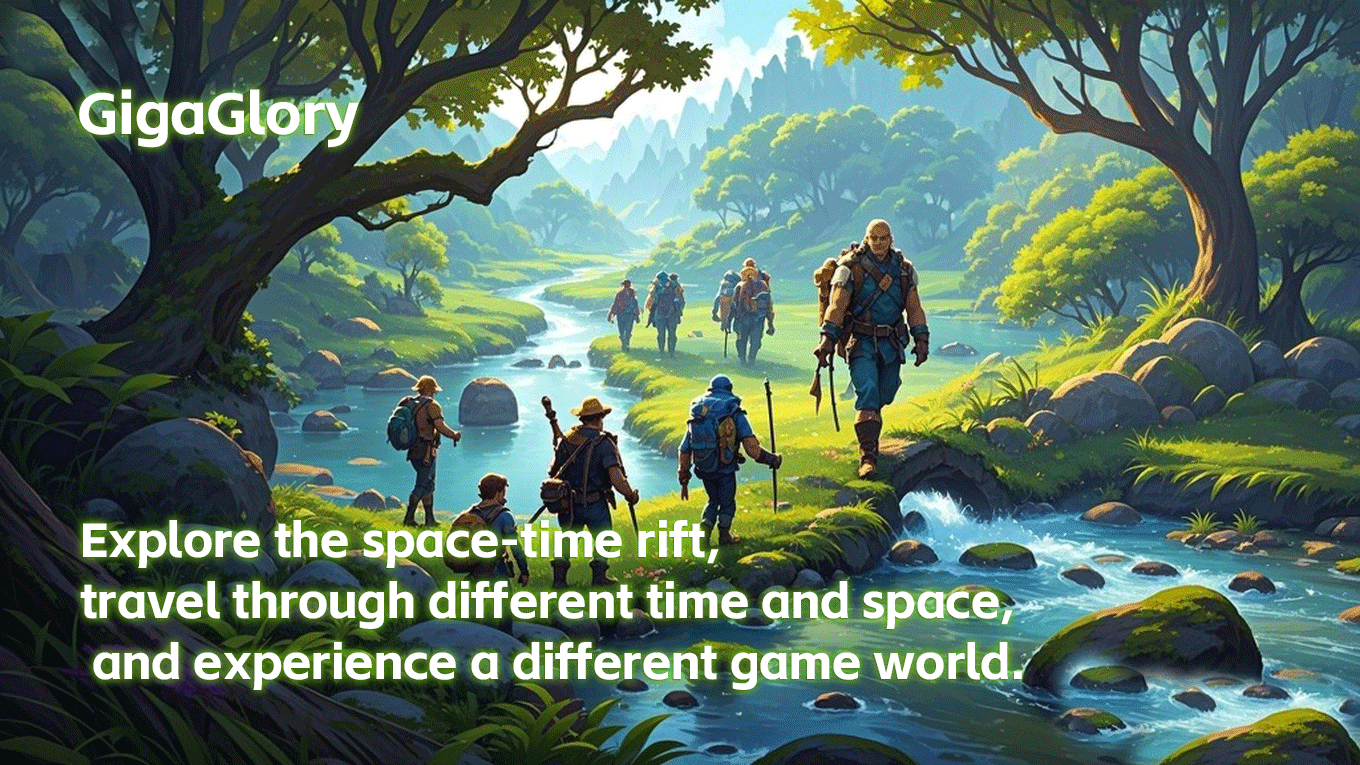
Adventure games have taken the gaming world by storm. Combining story-driven gameplay with immersive narratives, these games allow players to embark on epic quests. From classic titles to modern masterpieces, the evolution has been fascinating. They offer a unique blend of exploration, character development, and, yes, puzzle-solving elements. So, what makes these games so engaging?
From Exploration to Problem Solving
As adventure games evolved, the incorporation of puzzles became more prevalent. Initially, puzzles served merely as obstacles. Today, they have transformed into integral components of the gameplay. Players don’t just explore; they think critically, strategize, and ultimately unlock new areas of the game. This blend of exploration and problem-solving is what keeps players glued to their screens.
Why Puzzle Games Matter
Puzzle games have their unique charm. They challenge players to think outside the box, developing skills like logical reasoning and memory retention. The satisfaction of solving a puzzle is unparalleled. In recent years, we’ve seen an intriguing trend: traditional adventure games are integrating puzzle mechanics to keep the gameplay fresh and engaging.
The Clash of Clans vs Clash of Kings: A Case Study
Consider "Clash of Clans" and "Clash of Kings." Both games offer distinct experiences, yet they both embody elements of adventure and strategy, explaining the impact puzzles have on gameplay. In Clash of Clans, players build and upgrade their base. This requires strategic thinking akin to solving a complex puzzle. On the other hand, Clash of Kings involves not just battling but also resource management, which entails tackling numerous challenges or puzzles to progress effectively.
Engaging Mechanics in Adventure Puzzle Games
One key element that makes adventure puzzle games compelling is their mechanics. These games often feature a variety of puzzle types, from logic puzzles to physics-based challenges. Players can expect:
- **Interactive environments:** Players can touch and manipulate the world around them.
- **Diverse puzzle types:** Including riddles, mazes, and matching games.
- **Narrative integration:** Puzzles often drive the story forward.
Game Examples to Explore
If you’re wondering where to start, here are some popular adventure puzzle games that have managed to capture the hearts of players:
| Game Title | Release Year | Platform |
|---|---|---|
| Grim Fandango Remastered | 2015 | PC, PS4, PS Vita |
| The Witness | 2016 | PC, PS4, Xbox One |
| Thimbleweed Park | 2017 | PC, PS4, Xbox One, Switch |
| Oxenfree | 2016 | PC, PS4, Xbox One, Switch |
The Psychology Behind Puzzle Solving
What’s truly fascinating is the psychological aspect of puzzle games. They tap into the satisfying feeling of accomplishment. When you solve a puzzle, your brain releases dopamine. This feel-good chemical motivates players to continue engaging with the game. Additionally, the challenges stimulate our cognitive functions, enhancing problem-solving skills and creative thinking.
Effects on Social Connectivity
Games that blend adventure and puzzle-solving can foster social connections. Multiplayer adventures often involve shared experiences where players collectively tackle challenges. Communication becomes essential as players strategize together for in-game success. These interactions can lead to meaningful relationships, both in gaming communities and beyond.
Adapting to Player Feedback
Game developers today pay significant attention to player feedback. This responsiveness has led to:
- Incorporating more complex puzzles that require teamwork.
- Allowing players to customize their gaming experience based on preference.
Enhancing Accessibility in Puzzle Games
The gaming industry is also becoming more inclusive. Developers are exploring ways to make puzzles accessible to everyone. Options like adjustable difficulty levels and physical control alternatives ensure that players of all skill levels can engage with challenging puzzles. This inclusivity contributes to a broader player base, enriching the gaming community.
The Future of Adventure and Puzzle Games
As technology advances, the evolution of adventure and puzzle games will continue. Virtual reality and augmented reality are paving the way for new immersive experiences. Picture this: navigating intricate worlds while solving puzzles through day-to-day interactions. It’s an exciting prospect that promises to reshape how we think about gameplay!
Conclusion
The evolution of adventure games into engaging puzzle experiences is a testament to the growing complexity of the gaming world. From classic mechanics to innovative technologies, the potential for fun is limitless. The integration of puzzles has not only enriched gameplay but also reinforced social connections within the gaming community. So, grab your gear, embark on your next adventure, and remember—every puzzle solved is a step closer to unlocking the next thrilling chapter!